

Vitamin D3
It's actually a Hormone.......your skin is the gland that makes it!

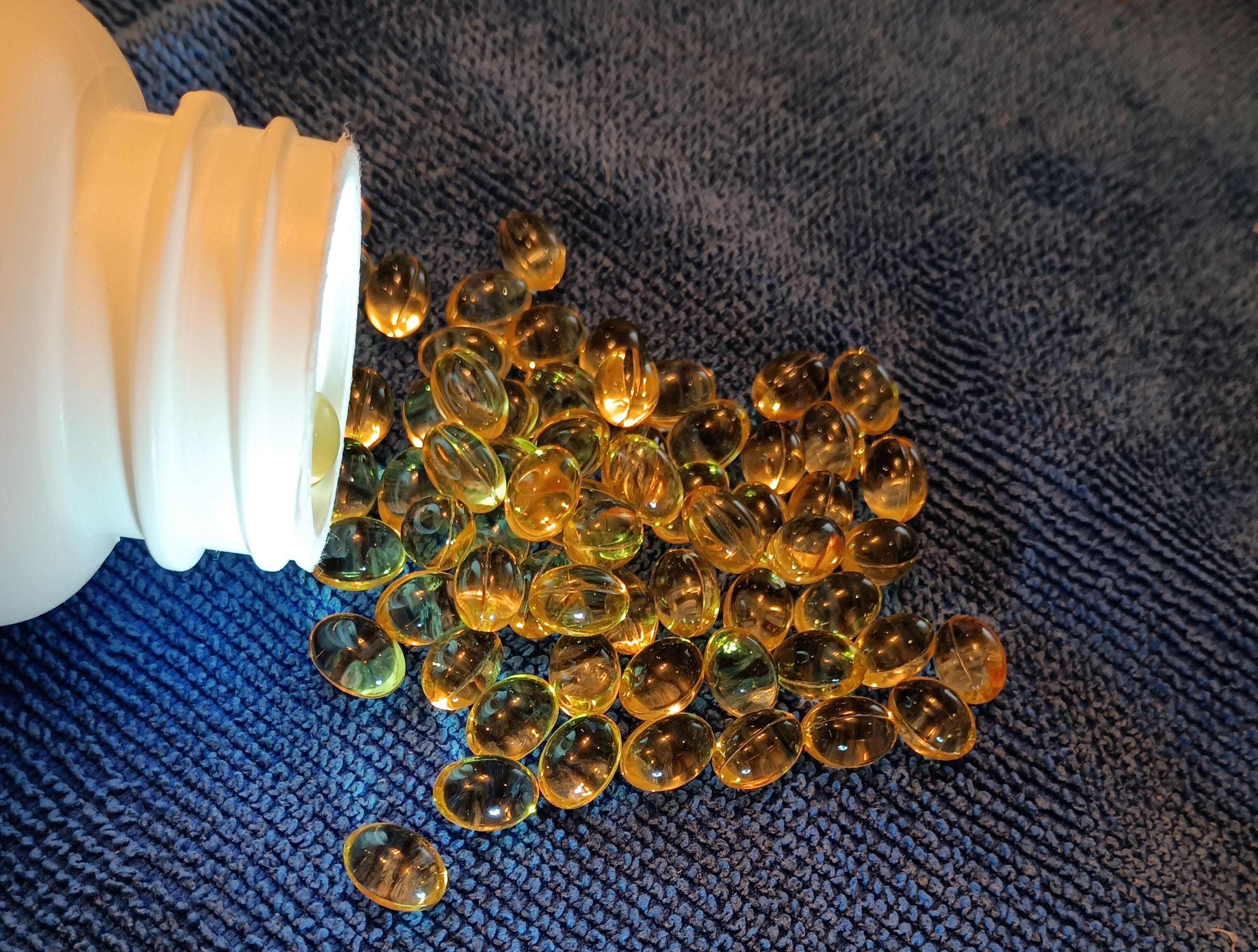
“Aging and your hormones” is a reader-supported publication. To receive new posts and support my work, consider becoming a free or paid subscriber.
Q: Why don’t you “catch a cold”, outside, on sunny days?
A: Because your body makes Vitamin D, in the sunshine!
Vitamin D is essential.
Vitamin D is not a vitamin: you don’t eat it!
It’s a hormone - a classical hormone!
It’s made by an organ (the skin) and transported in the blood to other organs, where it produces beneficial changes.
It is necessary for many systems, including heart-muscle contraction, bone and brain maintenance and repair, absorption of calcium and magnesium from the bowel, maintenance of mood, cancer prevention and infection control.
It is also (surprise!) helpful in cases of calcific arteriosclerosis: in combination with vitamin K, Lysine, Citric Acid (Lime or Lemon Juice) and Magnesium, it facilitates chelation (removal) of calcium deposits from the walls of the Arteries and Arterioles. *
It is recognised as an invaluable hormonal supplement, in those parts of the world where climate restricts natural “D” production by the skin.
HOW YOUR SKIN MAKES VITAMIN D
The Vitmin D saga is complicated: The lower layers of the skin use UVB from sunlight, to convert Cholesterol into an inactive prohormone called Cholecalciferol.
The blood takes the Cholecalciferol to the liver, where it is changed into Calcifediol.
Calcifediol is transported in the blood, from the liver to the kidneys and the Kidneys turn it into Calcitriol (D3), the active Vitamin D hormone…..
OKAY, OKAY! …… so it’s your kidneys that make vitamin D (!).
Finally, Calcitriol travels from the kidneys via the bloodstream to every cell of every organ, to do its work.
WHERE DOES VITAMIN D WORK, MOSTLY?
Vitamin D is active, everywhere in the body.
It is most famous for its special care of the bones (remember the story about all the poor kids in London getting rickets because windows were taxed?) …… People bricked up their windows to save on tax and sunlight couldn’t get in, so all the children were Vitamin D deficient…... The kids didn’t grow to full height and their bones were too soft, so they developed bow legs.
Anyway …… Vitamin D is essential. It takes part in most chemical reactions inside the cells, so it takes an active part in almost all our functions.
Deficiency of vitamin D is associated with increased risks of cancer, heart disease, MS, rheumatoid arthritis, type 1 diabetes and many other diseases and malfunctions.
WHAT’S D3’S MOST IMPORTANT JOB?
That’s hard to say: Vitamin D is active everywhere you look (even in the brain). But
perhaps the most important) work done by Vitamin D is regulation of so-called “Antimicrobial Peptide Genes”. These genes produce “Histatins, “Cathelicidins” and “Defensins”, internal antibiotics which target bacteria, viruses and funguses **, but also function as signalling molecules which activate the immune system, attracting white blood cells to sites of infection.
Without Vitamin D, we run short of Antimicrobial Peptides
We “catch a cold” when there isn’t enough sunshine to make Vitamin D: with VitD out of the picture, viruses living in our noses quickly take advantage of the lack of Antimicrobial Peptides, to multiply and attack the mucosal lining of the nasal passages, causing the swelling, “stuffiness” and mucous secretion which we call a “cold”.
So if you feel as though you have “caught a cold”, or if a “runny nose”, which is often the first sign of Covid 19, begins, cut it short with an extra daily 5000iu dose of D3: it works “like a charm”.
VITAMIN D TOXICITY (?)
Much has been said about the “toxicity” of Vitamin D: Vitamin D overdose is rare, but when it happens, it causes hypercalcaemia (high blood calcium), which can produce calcium deposits, or stone formation, in organs like kidneys and saliva glands. Hypercalcemia can cause symptoms, including loss of appetite, nausea and vomiting, then excessive thirst and high urine production, weakness, insomnia, nervousness, itching and rarely, kidney failure.
Because of this possibility, plus the ever present spectre of litigation, doctors are reluctant to encourage supplementation with more than token doses of this supremely important vitamin. However the current consensus is that everyone should take 3,000 to 5,000 (some say 6.000) international units of VitD3 , 6,000iu) per day (according to some authorities, you would haveto take 50,000 units of Vitamin D daily for 6 months, to run into severe side effects).
Message
Q: Why don’t you catch cold on sunny days?
A: Because your body makes Vitamin D!
Opinion
In my opinion, taking Vitamin D is essential. Everyone (every adult) should take between 3,000 and 5,000 international units of vitamin D3 daily *** year-round. ****
(For doses in kids, consult a reliable website, such as the Cleveland clinic site).
* Arteriosclerosis, a major cause of erectile dysfunction, takes decades to develop, so not surprisingly, it can take a year or more to get rid of it by chelation.
** Defensins and Cathelicidins are chemical attractants for white blood cells and in addition, they promote production of “cytokines” and “chemokines” which attack germs. Particularly, they are active against Covid 19.
*** I find that taking D3 at bedtime relieves nasal congestion: I go to sleep more easily, but you can take it at any time of day. It is fat-soluble, so you need fat or oil in the diet, to encourage absorption (Vegetarian diets contain little fat, so vegetarians are more prone to deficiency).
**** I say “year-round” because we get no direct sunshine in Winter and in Summer light-skinned people, whose skin absorbs more UVB and makes more Vit. D, avoid the sun, while dark-skinned people, whose melanin blocks UVB, need stronger sunshine than we get in Canada.
Covid 19
Special note, Re Histatins, Cathelicidins and Defensins: this is where COVID 19 comes in: please see the 2005 paper, “Human Antimicrobial Peptides: Defensins, Cathelicidins and Histatins”, by Kris De Smet 1 , Roland Contreras, PMID: 16215847DOI: 10.1007/s10529-005-0936-5, at https://pubmed.ncbi.nlm.nih.gov/16215847/
Please see, also, “Perspectives for clinical use of engineered human host defense antimicrobial peptides”, at https://pubmed.ncbi.nlm.nih.gov/28521337/ – hopefully, engineered human antimicrobial peptides will prove effective and with any luck, will become available within the next decade.
Generally agreed. Some people need to take more than 5,000 IU in order to optimize. https://healthythinking.substack.com/p/vitamin-d-in-brain-health-mood-anxiety