

MAJOR DEPRESSIVE DISORDER
Are psychedelics the answer, or are we a missing something?

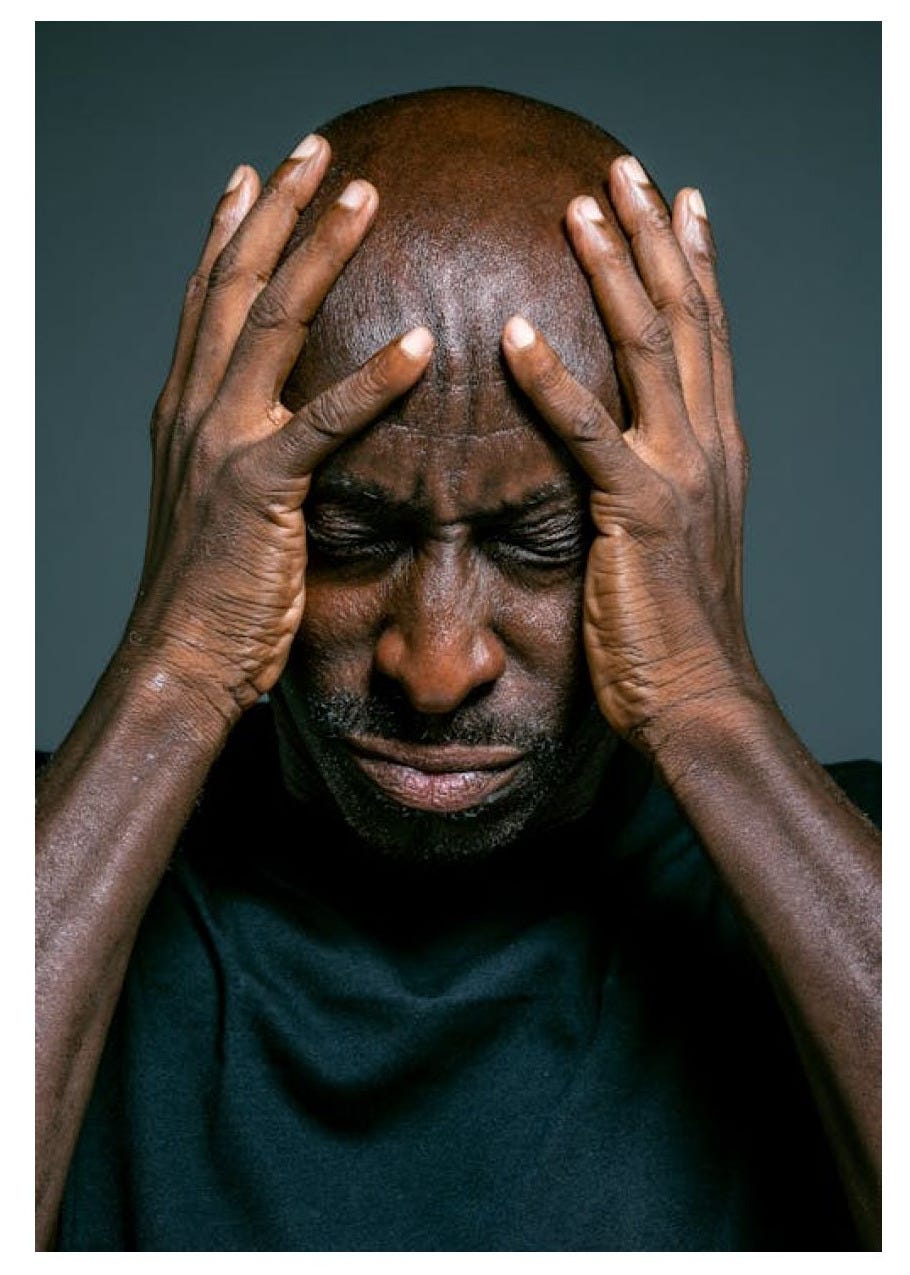
Preamble
The majority of my posts to “aging and your hormones” are expressions of opinion, based on my wide experience in Urology, General Practice and Hormone Restoration Therapy; but I receive “Infomail” from a number of sources, of which Medscape, the popular medical information website, is prime.
I scan incoming articles briefly, selecting those which seem important (either as information, or as new ideas) or misleading in some way, due to missing information, sloppy organization of research information or frank ignorance of metabolic/hormonal basic science.
I’ve been doing this for 3 years, adding one or two, or sometimes more, articles to my list daily. Therefore as you might imagine, I have a considerable backlog of potential sources for posts: I review the list periodically, jettison the less important pieces and select a few, for comment. Needless to say, many of the saved references are out-of-date, but nevertheless, some are interesting enough to warrant inclusion in my blog.
MANAGING MAJOR DEPRESSION, with PSYCHEDELICS
This one, “Psychedelics and Major Depressive Disorder: A Lot of Promise and a Lot of Questions”, presented in podcast format and uploaded on September 14, 2022, interested me because at that time, I had little information on the subject.
My research efforts however soon led to Johns Hopkins Medicine’s exhaustive note on the subject, which includes a “timeline” report on the progress of psychedelic therapy, beginning in the year 2000! …
I could not compete with their excellent website, so I gave up on the idea of posting, regarding psychedelic therapy for depression is a standalone title: if my readers are interested, access to Johns Hopkins’ report is at https://www.hopkinsmedicine.org/psychiatry/research/psychedelics-research
The format of psychedelic therapy
The format of psychedelic therapy may interest some readers, so I will describe it, briefly: “Psychedelics “, like Psilocybin (from magic mushrooms), LSD, Dimethyltryptamine and Mescaline are known to act on intra-neuronal serotonin 2A (5-HT2A) receptors, producing a wide range of psychological effects (5-HT2A also exist external to nerve cell capsules; but their function is not affected by psychedelics),
Psychedelics induce a 6-to-8-hour state of altered consciousness (essentially, altered perception), which may begin immediately, or after some delay. Visual or auditory hallucinations may occur, with alterations in the sense of self and the perception of the environment, which may be mild, stimulating or powerful enough to be rated as a "mystical experience," in which a sense of separateness from the environment as well as from other people, manifests.
The therapist therefore prepares the patient via 1–3 sessions, in which the therapists educate the individual about their clinical condition, the underlying “psychomechanisms” and the experience expected following ingestion of Psilocybin, MDMA, LSD or some other psychedelic, such as Ayahuasca. Thus, the therapist ensures that the treatment is suited to the person and that a therapeutic alliance with the patient has been achieved.
Once that hurdle has been crossed, the patient is well prepared for a psychedelic experience and a dosing session is arranged. It begins in the morning, in a comfortable and soothing, “living room style” environment, so that the subject is relaxed, calm, at peace and best prepared to navigate an altered state of consciousness without anxiety. Following the session, if necessary, the patient can stay overnight, with a night monitor.
However some individuals are released to the care of a close family member or friend, returning the next day for “debriefing” and a discussion of the experience with their therapists.
The follow-up schedule is selected ad hoc, to include an interview one year later: generally, well-prepared subjects, given a psychedelic, carefully observed and “debriefed” by well-trained therapists, achieved a therapeutic benefit lasting 3 to 6 months, on average: response rates of 70%-80%, significantly greater than the 50% (or so) rates with conventional therapy, were sometimes observed.
Progress, since 2022
Since 2022, dozens of studies have been done and consensus has been reached: unequivocally, although research into the use of other compounds continues, Psilocybin has proven to be the best of the psychedelics for therapy in major depression and its place in the compendium has been confirmed.
The following milestones are memorable:
· In March 2023, the NIH, offering an explanation of the M.O. of the psychedelics, averred: “Psilocybin and MDMA, particularly, have shown promise as therapies for treatment-resistant depression and PTSD” ……………………….. They encourage (neuronal) plasticity by binding to the intracellular 5-hydroxytryptamine 2A receptor,to boost formation of dendritic spines, via which new inter-neural connections develop.
· In August 2023, JAMA (Vol 330, #9) reported a randomized trial of single-dose Psilocybin in the treatment of Major Depressive Disorder, concluding that “Psilocybin treatment was associated with a clinically significant, sustained reduction in depressive symptoms and functional disability, without serious adverse events). A single 25 mg dose of psilocybin was recommended.
· In February 2024, the Journal “Scientific Reports” stated that “Psilocybin treatment for major depressive disorder (MDD) and TRD has recently been awarded ‘breakthrough therapy’ status by the FDA. With over thirty registered trials (> 2000 patients), psilocybin treatment for depression (sometimes with comorbid anxiety, alcohol use, or other, disorders) is on the forefront of the renewed interest in therapeutic use of psychedelics.”
CURRENT STATUS
AI Overview:
In 2023, in Australia, the Therapeutic Goods Administration (TGA) approved psilocybin for treatment-resistant depression.
On April 8, 2025, the state of New Mexico's Governor signed the Medical Psilocybin Act into law. This law creates a state-run program allowing patients with qualifying medical conditions to access psilocybin under the care of licensed healthcare providers.
Therapeutic psilocybin is not yet approved in other countries, including the United States and Europe.
My Two Cents (a Caveat):
All this is great; but as usual, none of the many reports which I perused makes mention of the background explanation for major depression.
In particular, there is
- no mention of the hormonal and biochemical status of the Major-Depression patient,
- no mention of efforts to correct aberrations of that status, prior to treatment,
- no thought regarding the possibility of heavy metal, PFAS or other toxicity, which may have contributed to the patient’s mental state,
The individual is diagnosed with “major depression” and listed for a trial of Psychedelic therapy, with
- no question of management for pre-existing PTSD,
- no consideration of menopausal hormone deficiency,
- no investigation for deficiencies of testosterone, progesterone, allopregnanolone, DHEA or Thyroid-3 which develop as we age, or other toxicity and
- no caveats regarding therapy for other medical conditions.
This is not satisfactory.
The patient is diagnosed with “majordepression” by a (presumably) HRT–naïve psychologist or psychiatrist, who has not been trained in metabolic medicine and is relegated, willy-nilly, to a basically risky trial of psychedelic therapy! –
This, without prior examination for and correction of the many pre-existing conditions which can form the foundation of the patient’s aberrant thought processes.
It does not seem to have occurred to “the powers that be” in this particular field, that correction of aberrations of the individual brain’s chemical/hormonal millieu might be the only therapy necessary, to solve the psychological problem with which the person presents, nor that the effects of the psychedelic experience might be enhanced significantly by normalization of the conditions in which the brain cells must function.
