

Antiaging News
Yesterday, my newsfeed delivered a report, entitled “the blood of exceptionally long-lived people reveals crucial differences”.

Needless to say, this headline (see it here) caught my eye!
The associated article reported on some 44,000 Swedes, from the “Amoris cohort”. Of these 44,000, 2.7% (85% female) lived to be a hundred years old. It was interesting, but disappointing. It mentions that 12 blood-test biomarkers were associated with longevity in various ways; but it gives little detail and provides no clues to further research.
I switched to Microsoft’s “Edge AI” and soon, found myself reading an extensive report, entitled “Longevity Biomarkers Landscape Teaser”.
This turned out to be a heavily capitalistic listing and evaluation of every means of assessing “aging”, laid out in a format conducive to calculation of the dollar value of tests, for companies interested in “aging” from a strictly commercial standpoint.
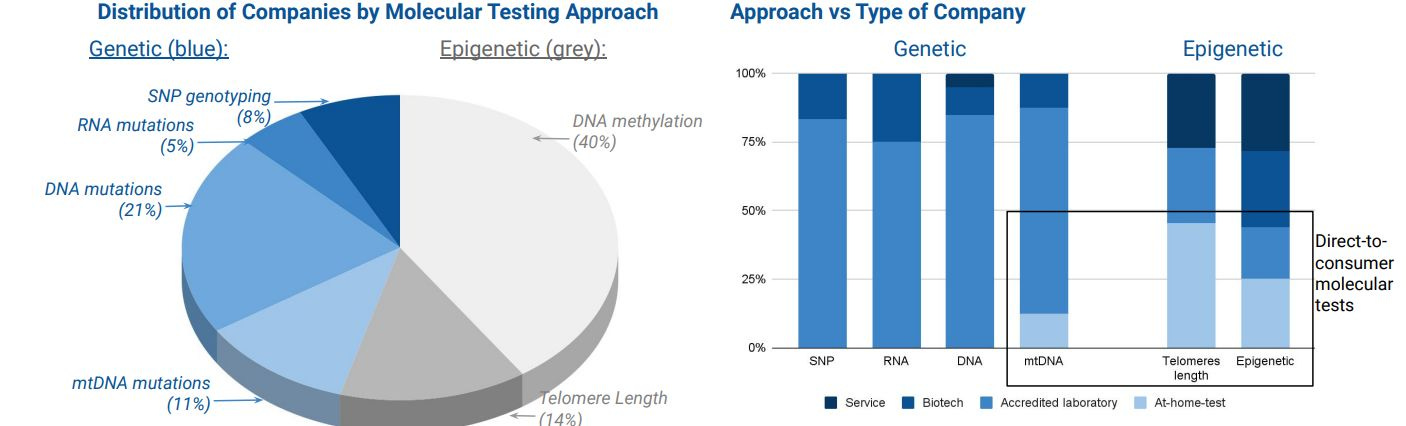
Current status of antiaging biomarkers
In brief, an individual can be evaluated, at a good profit, in terms of assessing biological age; but little information is available regarding the underlying causes of aging and no consideration seems to have been given to preventive care, which might delay the process.
I am therefore left (I often am), to my own conjecture, which hopefully, is robust enough to allow proposing proactive care, pending the development of scientific information to confirm or refute it.
The human lifespan
The human species was designed to combat the threats of ravening nature by dint of early procreation, rather than extended individual lifetime. Our original expectancy of perfect, active, procreative life was 25 years, give or take a few.
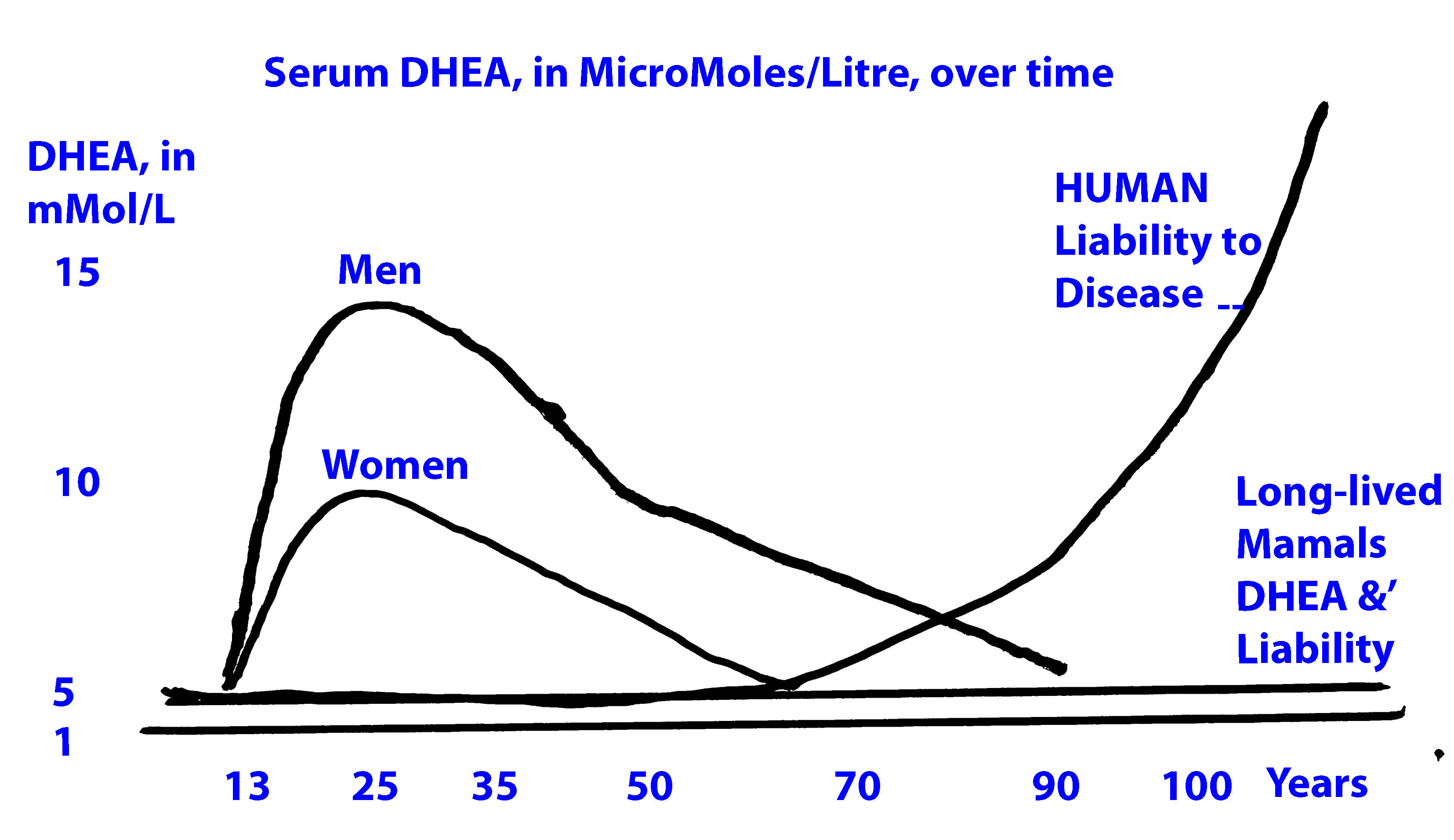
Old age was considered to be in the region of 4 – 4.5 decades, although the Bible, optimistically, quoted our maximum as “threescore years and 10”.
To ensure this lifespan reduction, the stability of our serum, the complicated chemical solution on which our life-support systems depend, begins to falter in our 3rd decade and deteriorates to life-threatening levels within the 15 years which our youngest offspring need to attain procreative facilities. In ancient days, this progressive disability ensured that most of us would succumb to accident, infection or predatory adversaries within 3 to 4 (at a maximum, 5) decades of life.
